Three things I need to know about play therapy:
- Children often don’t have the words to express their emotions, so they use play.
- A child can be referred for play therapy for different reasons, such as if the child is acting out, if there has been a death in the family or changes in the family, and even to just see how the child is doing emotionally.
- Play therapy involves more than just play: it can include drawings, stories, art and creative expression.
What is the process?
Psychologists can work in different ways, with many psychologists using the same process as Dr Vicky Downing, our Educational Psychologist. The first appointment is for parents or caregivers to give a thorough background history of the child and discuss their current concerns and concerns of others.
The first two sessions of play therapy are used as a behavioural and emotional evaluation. Following this, as our psychologist prefers working holistically, parents or caregivers are asked to attend a feedback session so she can share findings and recommendations as well as provide parental guidance. Why work holistically? The child spends more time in the “real” world than in the therapy room so providing parents with “tools”, which they can use to manage their child’s behaviour in other contexts, further supports the therapeutic process.
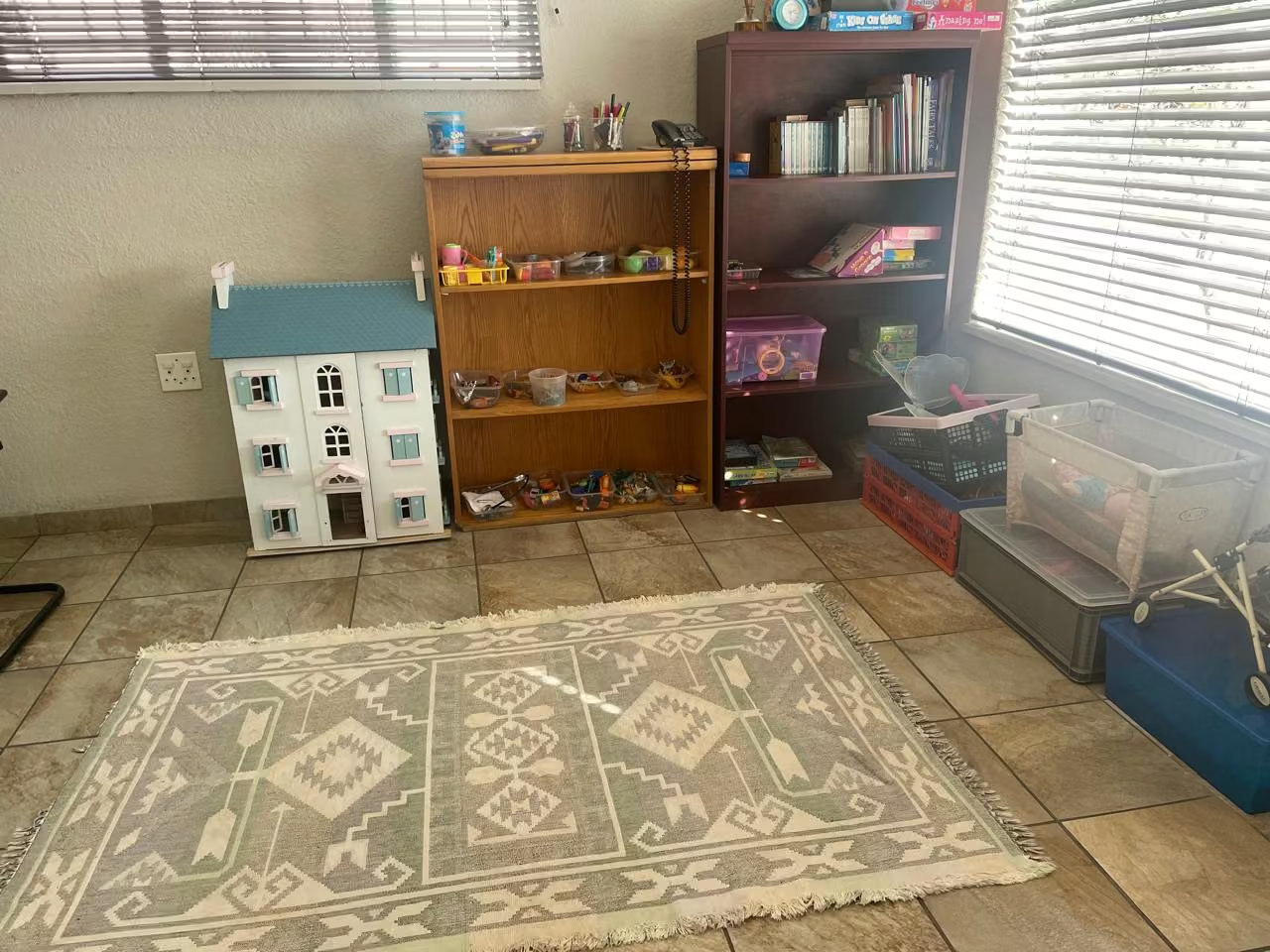
After these first four sessions, play therapy often continues. Dr Vicky Downing works from various modalities and selects the most appropriate according to the child’s needs, developmental stage and ways of interacting. Toys, boardgames and focused activities are specially selected to meet your child’s needs in the process. Therapy can be focused on a particular problem (such as assisting children in adjusting following a change in the family) or could cover a broader area of functioning, such as learning coping mechanisms to help the child cope with different anxiety-inducing situations. Our psychologist likes to teach the child about their condition in an age-appropriate manner so they can understand why they may feel a certain way.
How many sessions will my child need?
Unfortunately, there is no one answer to this question. It depends on the severity of the issues or conditions, the willingness of those close to the child to support the process, the child’s willingness to work with the process and other factors which could impact on the course of therapy.
Does my child’s teacher have to know that he or she is going to play therapy?
It is your right as parent or caregiver to decide with whom to share this information. If you have a good relationship with your child’s teacher, it may be a good idea so that the teacher can support your child while at school. Our psychologist can give information regarding teacher support, depending on your child’s issues.
If you need more information or would like to make an appointment, contact Vicky Downing on: vicky@guidinghands.co.za or by WhatsApp from the website.